How to Diagnose a Device That Won’t Turn On
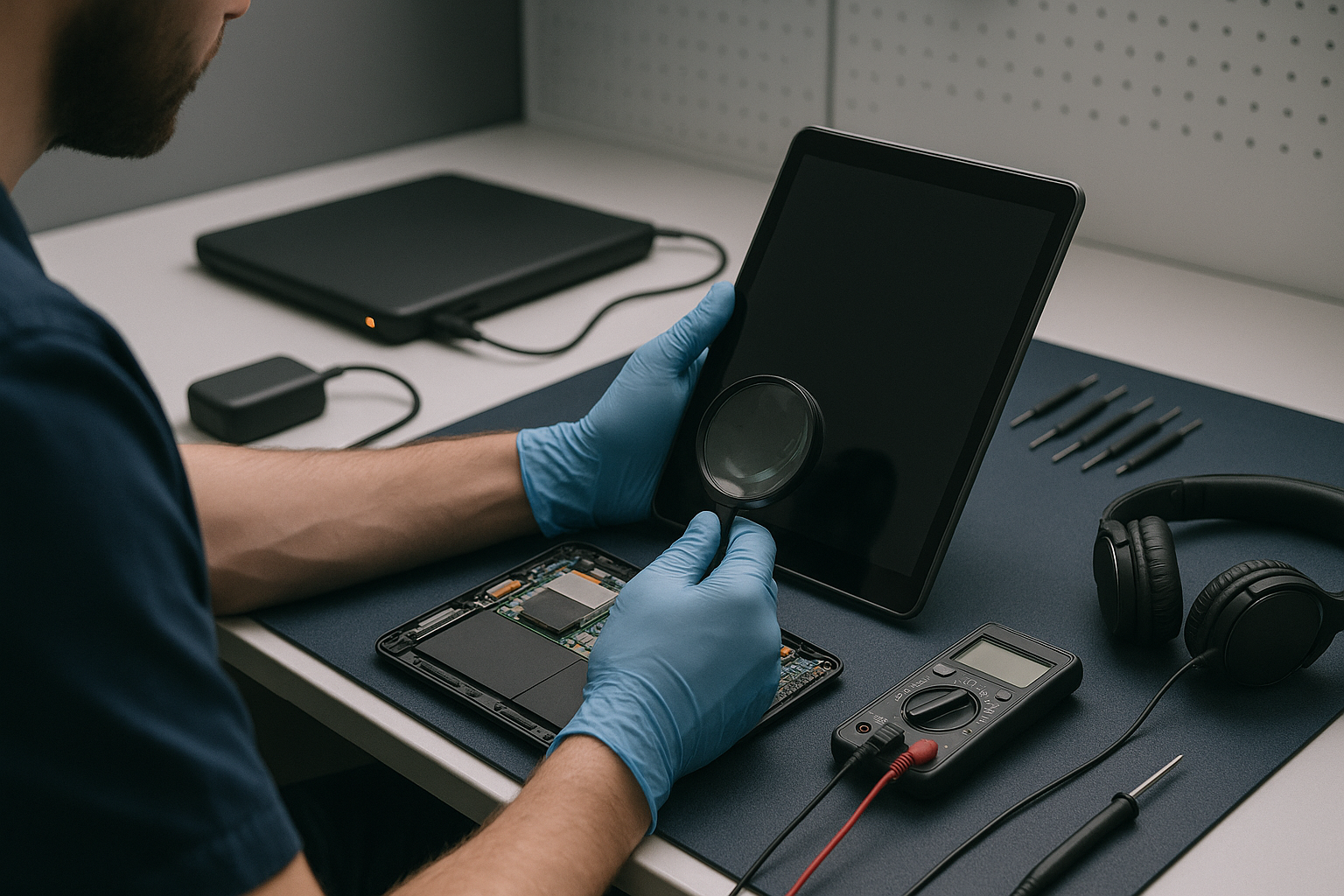
Having problems figuring out what is wrong with your devices that won’t turn on? Follow this guide to see what our technicians do in-house to figure...
When student devices stop working, the impact goes far beyond a broken screen or a missing charger. Device downtime affects instruction, student engagement, IT workloads, and district budgets in ways that are often underestimated.
For school districts running 1:1 programs, even short periods of device unavailability can scale into significant operational and instructional losses.
This article breaks down the true cost of device downtime in schools and outlines how districts can reduce its impact.
Device downtime refers to any period when a student device is unavailable for instructional use due to damage, repair, replacement delays, or configuration issues.
Common causes include:
In large districts, downtime compounds quickly when hundreds or thousands of devices are affected at once.
The most immediate cost of downtime is lost learning time.
When students do not have functioning devices:
Research consistently shows that access to technology supports continuity of learning, and disruptions reduce instructional effectiveness.
Device downtime also creates a heavy operational burden.
IT teams spend time:
As downtime increases, IT staff are pulled away from proactive planning and preventative maintenance. This creates a cycle where issues become more frequent and harder to resolve.
Districts that streamline repair workflows and reduce repeat issues free up IT capacity for higher-value work.
The true cost of downtime is not limited to repair invoices.
Additional costs include:
Even small inefficiencies add up when multiplied across a district. Extending device availability by reducing downtime can result in significant cost avoidance over time.
Addressing common but preventable issues early often keeps devices in service longer and reduces replacement pressure.
Device downtime disproportionately affects students who rely on school-issued technology as their primary learning tool.
When devices are unavailable:
Consistent access is a key factor in maintaining equitable learning environments. Downtime undermines that consistency.
Districts that successfully limit downtime take a strategic approach.
Common practices include:
Choosing vendors who can handle volume and maintain transparency plays a direct role in reducing downtime.
Device downtime is not just a technical issue. It is an instructional, operational, and financial challenge that directly affects student learning.
Districts that understand the full cost of downtime are better positioned to:
By prioritizing uptime, streamlining repairs, and planning proactively, school districts can ensure technology remains a reliable tool rather than a recurring disruption.
iTurity works with school districts nationwide to deliver fast, reliable device repair services designed specifically for K-12 environments.
Having problems figuring out what is wrong with your devices that won’t turn on? Follow this guide to see what our technicians do in-house to figure...
Managing student devices at scale is one of the most complex operational responsibilities school districts face today. As 1:1 device programs expand,...
School districts across the country are facing a common paradox: technology budgets are tightening, yet the reliance on 1:1 device models is...