3 min read

How K-12 IT Directors Should Evaluate Device Selection for Their Fleet

How K-12 IT Directors Should Evaluate Device Selection for Their Fleet

Device selection in K-12 is one of the decisions that ripples through every other part of the IT operation. Get it right and the fleet runs predictably for three or four years. Get it wrong and you spend the back half of the lifecycle managing failures, sourcing hard-to-find parts, and absorbing repair costs you didn't budget for. The question IT directors ask most often isn't "Which device is best?" It's "Which device is right for our environment?"

There's no universal answer, but there are consistent variables that shape the outcome, and working through them early prevents the reactive scramble that shows up two years into a deployment.

Why Per-Unit Price Is the Wrong Way to Compare K-12 Devices

Per-unit cost is the most visible number in any procurement conversation, and it rarely tells the full story. A device that costs $50 less per unit may cost significantly more to maintain if parts are scarce, repair turnaround is slow, or the build quality doesn't hold up under daily student use.

Total cost of ownership covers the full lifecycle: procurement, protection or repair coverage, parts availability, loaner pool overhead, and eventual disposal or trade-in. Tracking device health and repair frequency gives districts the data to make those true cost comparisons, but most districts don't pull those numbers together until they're already mid-cycle.

Districts that weigh TCO at the selection stage have a cleaner picture of what a fleet will actually cost. Those that don't tend to discover the real number around year three.

How Device Repairability Affects K-12 Fleet Lifecycle Costs

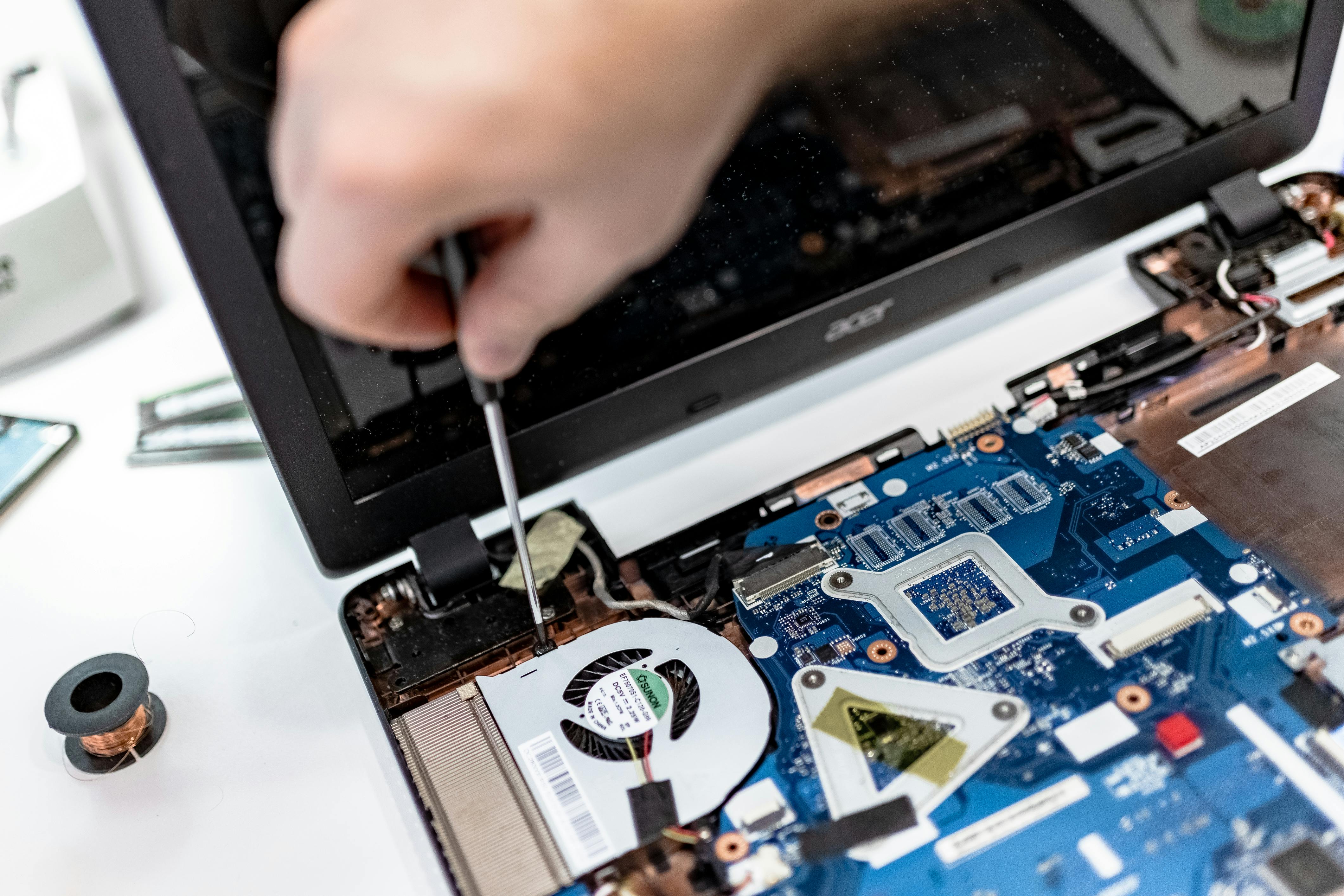
Hardware specifications matter. What matters more, for a fleet that goes home in a student's backpack every night, is how the device holds up physically and how serviceable it is when it doesn't.

Repairability involves several overlapping factors:

  • Parts availability: Can you source screens, hinges, keyboards, and charging ports 18 months from now? Some manufacturers update models frequently enough that parts supply becomes unpredictable within two years. If you don’t have experience repairing devices from one manufacturer, reach out to a district or repair partner who has to learn what their experience sourcing parts down the line was like.
  • Build quality: Reinforced corners, durable hinges, and spill-resistant keyboards reduce incident frequency. Devices rated to mil-spec durability standards tend to survive K-12 use better than consumer-grade builds at similar price points, though the upfront cost difference has to be weighed against projected annual repair volume.
  • Repair complexity: Some devices require specialized tools or manufacturer certification to open. Others are straightforward. That distinction affects turnaround time and how much repair volume your team can handle internally.

You shouldn’t just be comparing the purchase cost, you should be comparing the total cost of ownership over the course of the life of the devices.

K-12 Device Selection Factors That Vary by District Environment

Beyond repairability and TCO, a handful of factors vary enough between districts that they should drive the final selection rather than industry defaults.

  • Touch functionality: Districts using stylus-based workflows or serving younger grade levels have different requirements than a 1:1 Chromebook deployment focused on keyboard-based assessments. Not every device supports touch, and adding that capability changes both the price tier and the repair profile.
  • LTE connectivity: If a meaningful share of students lack reliable home internet access, built-in LTE can become a necessity. The devices cost more and the carrier contracts add operational overhead. Managing hotspot checkouts has its own cost in help desk volume and loaner logistics.
  • Curriculum and software alignment: Districts running Google Workspace have a straightforward path to Chromebook deployments. Districts with specific software dependencies on Windows or macOS have less flexibility. Assessment platforms matter too: if a state assessment requires a specific OS or browser environment, that narrows options before any other factor applies.
  • Grade-level use patterns: Elementary students and high school students interact with devices differently. A device built for older students may not be the right physical fit for younger grades, and the breakages tend to differ as well.

Planning Your K-12 Device Lifecycle Starts at the Selection Stage

Fleet longevity depends on decisions made before a single device ships. iTurity's pre-deployment services affect how cleanly the fleet rolls out and how much IT staff time gets consumed at the start of each year, but the longer-term question is whether the selected device supports a predictable maintenance model.

A fleet that generates consistent, resolvable repair tickets is manageable. A fleet that generates complex, high-cost repairs with long bench times creates a different kind of pressure. Districts that treat device selection as a lifecycle planning exercise tend to have fewer surprises after year two. The repair volume forecast, the protection plan structure, and the loaner pool size all depend on what the selected device realistically tolerates under daily use. Getting iTurity's protection plan in place before a fleet deploys is easier and cheaper than absorbing unexpected repair volume after the fact.

How iTurity Helps K-12 Districts Navigate Device Selection

iTurity works with more than 4,400 schools across 43 states, which means pattern recognition across a wide range of device environments: which devices tend to hold up, which ones generate disproportionate repair volume, and where parts availability becomes a problem after year two. Those observations are most useful in a direct conversation, where a district's specific variables can be worked through rather than generalized.

If your district is approaching a refresh cycle or evaluating options for a new deployment, reach out to iTurity to talk through the factors that matter most for your fleet.